Maintaining a smooth and efficient production line is crucial in the potato chips industry. Even with high-quality equipment, occasional issues can arise that disrupt operations and affect product quality. This guide provides practical troubleshooting techniques to quickly resolve common problems with potato chips machines, ensuring minimal downtime and consistent product excellence.
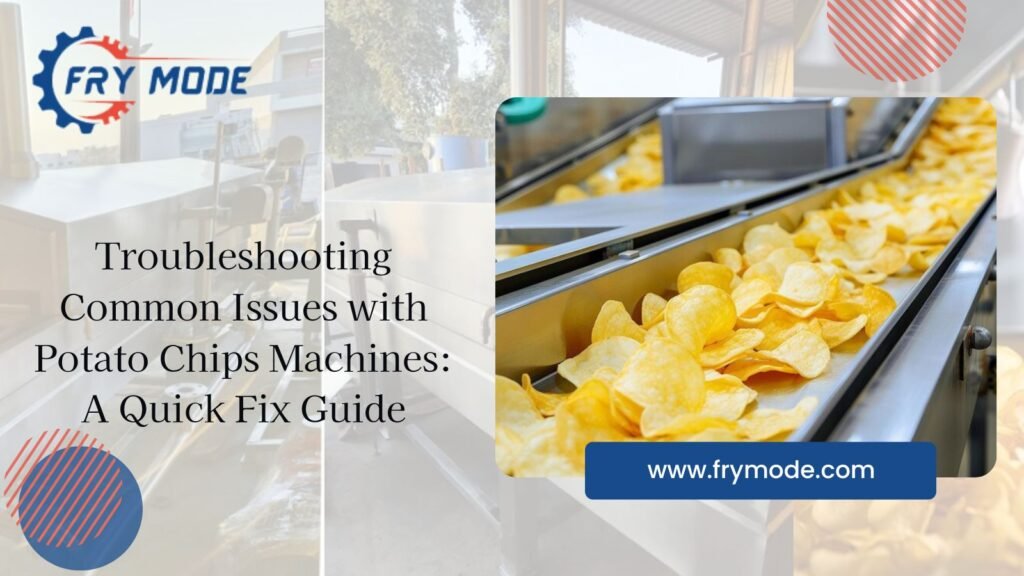
In any food manufacturing process, unexpected machine issues can lead to production delays and increased costs. Whether you’re dealing with inconsistent frying temperatures, uneven chip slicing, or abnormal vibrations, prompt troubleshooting is key to keeping your production on track. In this guide, we’ll explore frequent issues encountered in potato chips machines and offer actionable steps to fix them, backed by a quick-reference table for your convenience.
Below is a table summarizing typical problems along with practical quick fixes:
| Issue | Problem | Quick Fixes |
|---|---|---|
| Inconsistent Frying Temperatures | Chips may be unevenly cooked or excessively greasy if the frying temperature fluctuates. | – Check the thermostat and recalibrate if necessary. – Clean heating elements to remove oil buildup. – Inspect sensors for accuracy. |
| Uneven Chip Slicing | Inconsistent slice thickness leads to uneven frying and varied texture. | – Inspect blades for dullness or misalignment, sharpen or replace as needed. – Adjust slicing mechanism settings for uniformity. – Clean the mechanism to remove residue. |
| Excessive Oil Consumption | High oil usage increases costs and results in greasier chips. | – Review and clean or replace oil filters. – Optimize frying time with proper timer settings. – Maintain optimal oil temperature. |
| Abnormal Noises or Vibrations | Unexpected sounds or vibrations may indicate mechanical issues or loose components. | – Tighten any loose screws, bolts, or belts. – Lubricate moving parts to reduce friction. – Inspect motor and bearings for wear or damage. |
Let’s dive deeper into each common issue and how to address them effectively:
A systematic approach to troubleshooting ensures that issues are resolved efficiently:
Observation and Documentation:
Monitor the machine closely and document any irregular performance or error messages. Noting specific symptoms can help pinpoint the root cause.
Initial Inspection:
Conduct a visual and manual inspection of key components—blades, sensors, heating elements, and motors—to identify obvious issues such as wear or residue buildup.
Component Testing:
Test individual components, using diagnostic tools if available, to determine whether they are functioning correctly. This might involve checking sensor outputs or motor performance.
Apply Quick Fixes:
Use the quick fixes detailed above to address the identified issues. Adjust settings, clean components, or replace parts as needed.
Test and Monitor:
Run a short production test after applying fixes to ensure the problem has been resolved. Monitor the machine closely to confirm that the fix remains effective over time.
Preventive maintenance is key to reducing the frequency of troubleshooting:
Troubleshooting common issues in potato chips machines doesn’t have to disrupt your production process. With a systematic approach and regular preventive maintenance, you can quickly resolve problems and minimize downtime. By keeping a keen eye on critical components and following the quick fixes outlined in this guide, you’ll ensure your production line operates at peak efficiency, maintaining the high-quality standards your customers expect.



 Users Last 30 days : 926
 Total Users : 15019
We are one of the foremost Ahmedabad based Manufacturer, Wholesaler and Retailer of Namkeen fryer machine, Namkeen making machine, fully automatic machine, continuous Namkeen fryer machine, fully automatic Namkeen machine… View More
Copyright © 2026 FRYMODE FOOD EQUIPMENT PVT LTD
Website Design & Development By : Dev Digital Media – SEO Company