1. Sourcing and Preparing the Raw Material
The journey to delicious potato chips begins long before the first slice is made. Quality starts at the farm. In India, several potato varieties work well for chips, especially those with high dry matter and low sugar levels. Building strong relationships with local farmers ensures a steady supply of premium potatoes.
Once you have your raw materials, the potatoes are thoroughly washed to remove dirt and debris. A high-quality washing machine is used to ensure that each potato is clean, setting the stage for a flawless processing sequence.
2. Cleaning and Peeling
After washing, the next step is cleaning and peeling. Removing the skin is crucial not only for texture but also for reducing any impurities that might affect flavor. Advanced peeling machines are designed to remove the skin quickly while minimizing waste. This step helps maintain consistency and ensures that each chip meets quality standards.
3. Slicing the Potatoes
The potato chips slicing process is vital to the final product’s quality. A Potato Chips Slicing Machine is used to create uniform slices, which is essential for even frying. Uniformity in thickness ensures that each chip fries at the same rate, resulting in a consistent texture and taste. This machine’s precision helps to minimize waste and guarantees that every slice is perfectly ready for the next step.
4. Blanching for Better Texture
Blanching is an optional yet highly beneficial step in the manufacturing process. Here, potato slices are briefly immersed in boiling water or steam. This process removes excess starch and helps in achieving a crispier texture once fried. Blanching also slightly softens the potato slices, preparing them for the frying process and ensuring a consistent product.
5. Dewatering Before Frying
After blanching, it’s important to remove excess water from the potato slices. Dewatering ensures that there is minimal moisture during frying, which can otherwise lead to soggy chips. Specialized dewatering equipment spins or drains the slices efficiently. This step is crucial for ensuring that the frying process produces perfectly crispy chips.
6. Frying: The Heart of the Process
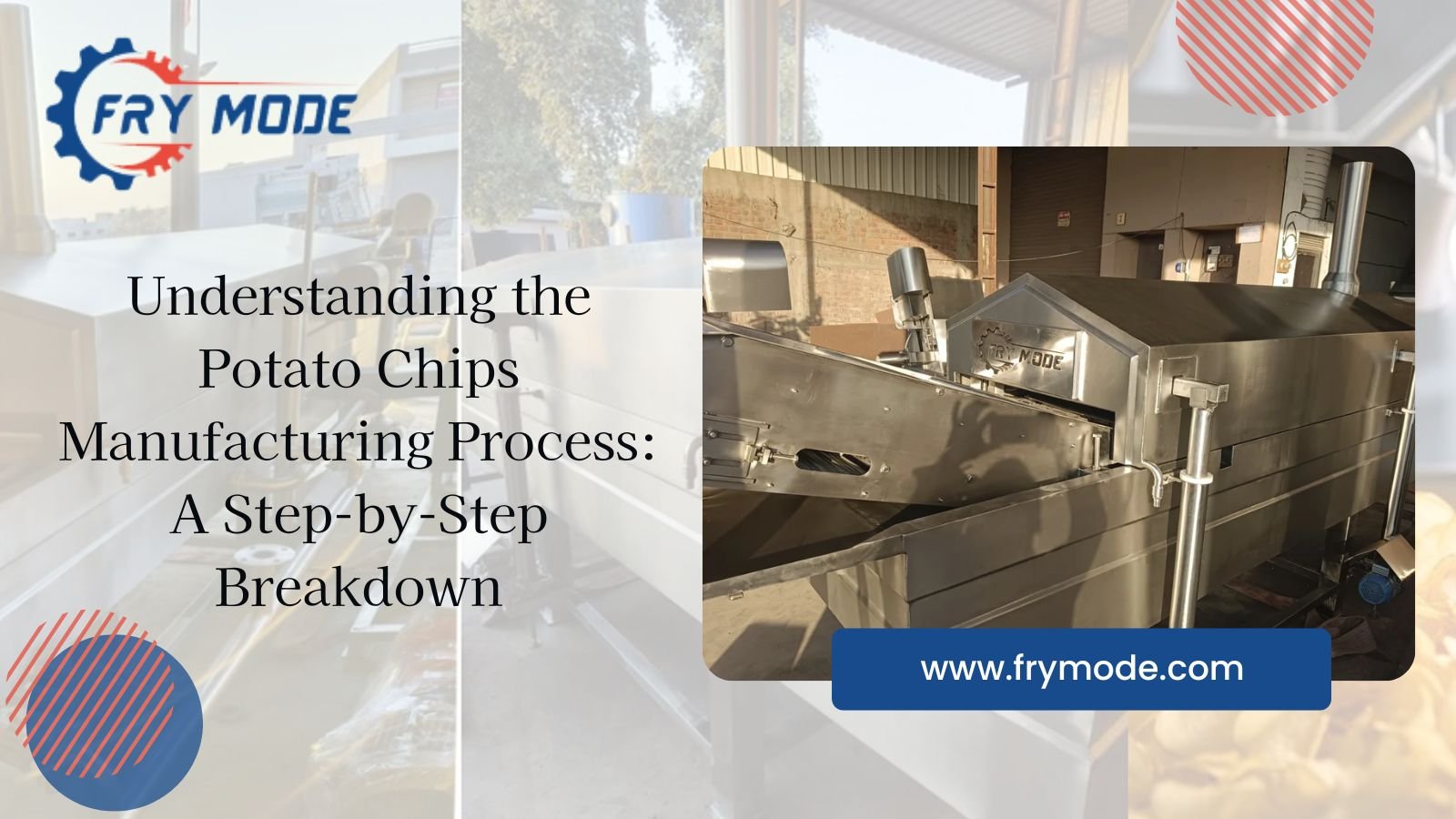
Frying is the core of the potato chips manufacturing process. The potato slices are fried in hot oil using a Potato Chips Frying Machine. The key here is to maintain a consistent temperature, which is vital for achieving the desired crunch and golden color. A good frying machine not only cooks the slices evenly but also helps in controlling oil absorption, ensuring that the chips aren’t overly greasy.
Modern frying machines are designed to reduce oil consumption and maximize efficiency. They come with precise temperature controls and timers, allowing for a consistent product even when processing large quantities. The careful balance of temperature and timing results in chips that are crispy on the outside and tender on the inside.
7. Removing Excess Oil
Once frying is complete, excess oil is removed from the chips. This step, often referred to as de-oiling, is crucial for achieving a light, non-greasy snack. Techniques such as using specialized draining systems or centrifugal de-oiling help extract the extra oil efficiently. This not only improves the texture but also enhances the shelf-life of the final product.
8. Seasoning for Flavor Perfection
Seasoning is where your potato chips get their unique flavor identity. A Potato Chips Seasoning Machine is used to evenly distribute spices and flavorings over the chips. Whether you’re aiming for a classic salted chip, a spicy masala twist, or an innovative fusion flavor, this machine ensures that every chip is coated perfectly.
Seasoning can be done immediately after de-oiling, while the chips are still warm, allowing the spices to stick better. This step is crucial for enhancing the taste and aroma, ensuring that every bite delivers the perfect crunch with a burst of flavor.
9. Packaging: The Final Step
Once the chips are seasoned, they are ready for packaging. Packaging not only protects the chips from environmental factors but also plays a significant role in marketing. High-quality packaging machines are used to seal the chips in air-tight bags, preserving freshness and extending shelf life. Clear labeling and attractive design help in catching the consumer’s eye on crowded shelves.
10. Quality Control and Consistency
Throughout the entire process, maintaining quality is non-negotiable. Every step—from raw material selection to packaging—requires rigorous quality control measures. Regular checks ensure that the chips meet strict standards for taste, texture, and appearance. Consistency is key to building a loyal customer base and establishing a strong brand reputation in the competitive snack market.
Quality control systems are integrated into the production line to monitor temperatures, oil levels, and seasoning distribution. This attention to detail ensures that every batch of chips is as delicious as the last.
Conclusion
Understanding the potato chips manufacturing process is crucial for producing a high-quality snack that stands out in the market. From sourcing the best raw materials and utilizing precision machinery like the potato chips slicing machine, frying machine, and seasoning machine, every step is designed to ensure consistency and excellence. By following these detailed steps, you can produce chips that not only satisfy the taste buds but also meet the highest standards of quality.
If you’re looking to streamline your production process or upgrade your equipment, remember that innovation and quality go hand in hand. Embracing modern technology can significantly enhance your production efficiency and product consistency.



 Users Last 30 days : 975
 Total Users : 14955